Who can join, and what you need
| Applicant | Position | What you need |
|---|---|---|
| Canadian | Undergraduate | Email a CV and an unofficial transcript. Summer, co-op and honours projects are available most years. |
| Canadian | MSc | CGPA of at least A− (8/10) over your last 20 one-semester courses. |
| Canadian | PhD | CGPA of at least A− (8/10) over your last 10 one-semester courses. |
| International | Undergraduate intern | Apply through Mitacs Globalink: we post a project every year. US students can apply through Fulbright Canada. Other interns need external funding. |
| International | MSc | Requires an external scholarship. |
| International | PhD | CGPA of at least A (9/10) over your last 10 one-semester courses. |
| Any | Postdoctoral fellow | Email a CV and a research statement. Positions depend on funding; we also support applications for fellowships. |
“Canadian” means Canadian citizens and permanent residents.
English proficiency (MSc and PhD)
- TOEFL: 4.5 or 86 overall; writing 4.5 or 21; reading 4.5 or 22; listening 4.5 or 20; speaking 4 or 20
- IELTS: 6.5 overall; 6.5 writing; no band below 6
How to apply
Email jlundeen@uottawa.ca with your CV, your transcript and any papers or theses. Tell us which research area interests you.
Email JeffuOttawa grade scale
| Letter | Grade point | Percentage |
|---|---|---|
| A+ | 10 | 90–100% |
| A | 9 | 85–89% |
| A− | 8 | 80–84% |
Why join?
Where we are
Why quantum photonics
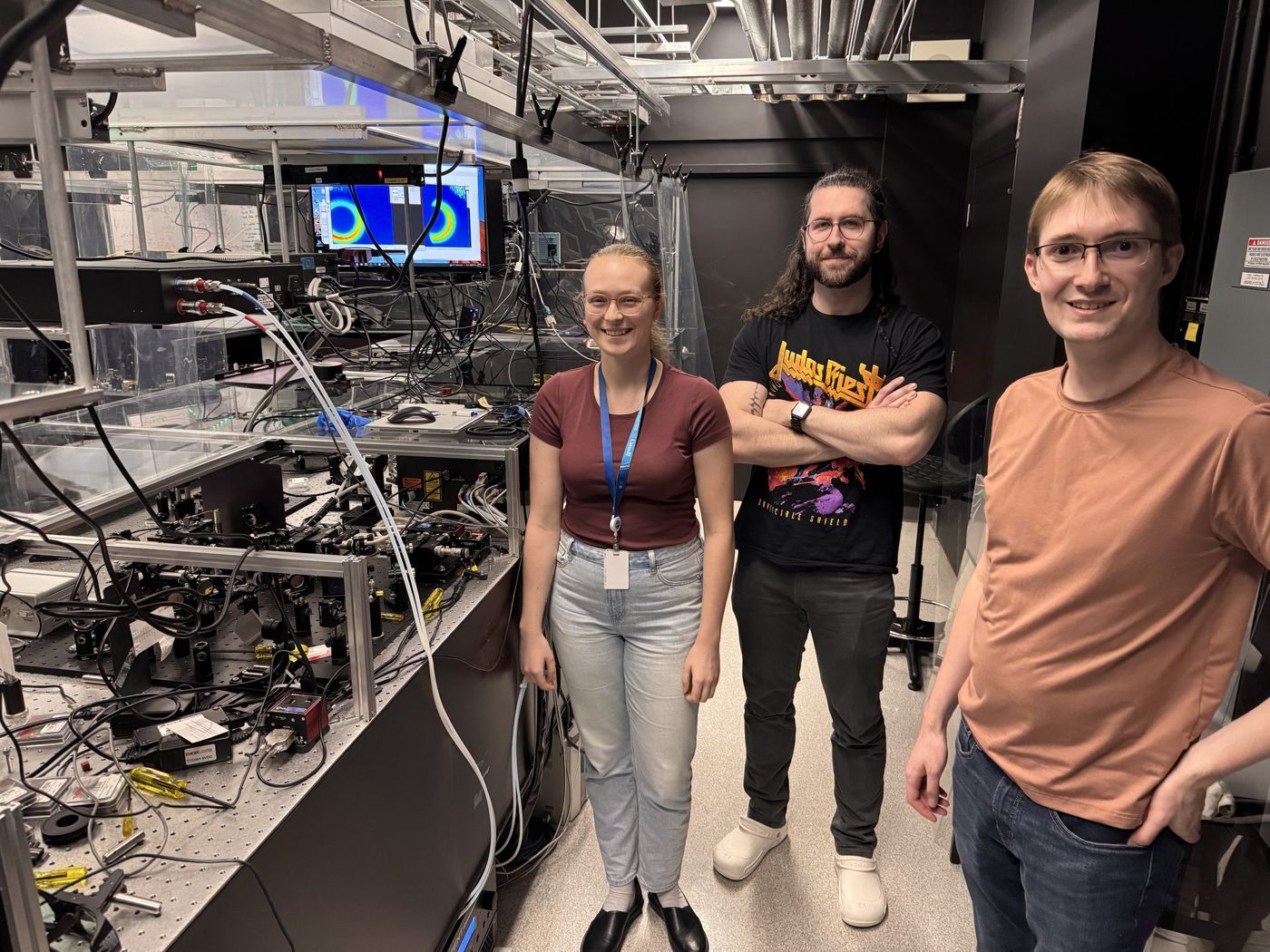
Quantum photonics links the fundamental with the applied. You learn to design, build and run lasers, nonlinear optics, fibre and integrated optics, single-photon detectors and high-speed electronics, and you use them to test the ideas at the heart of quantum physics, such as entanglement and measurement.
There is no other field in which you can build your own experiment from the ground up and still probe questions like “what is a wavefunction?”. A typical experiment fits on one optical table, and during a degree students build several, supported by the rest of the group, with the goal of becoming independent researchers.
Why uOttawa
Photonics is one of uOttawa’s strategic research areas, and the university has one of the largest concentrations of photonics researchers in Canada. Together with the National Research Council it runs the Joint Centre for Extreme Photonics, which both institutions describe as the strongest team in extreme and quantum photonics research in the country, and it partners with the Max Planck Society through the Max Planck – uOttawa Centre for Extreme and Quantum Photonics.
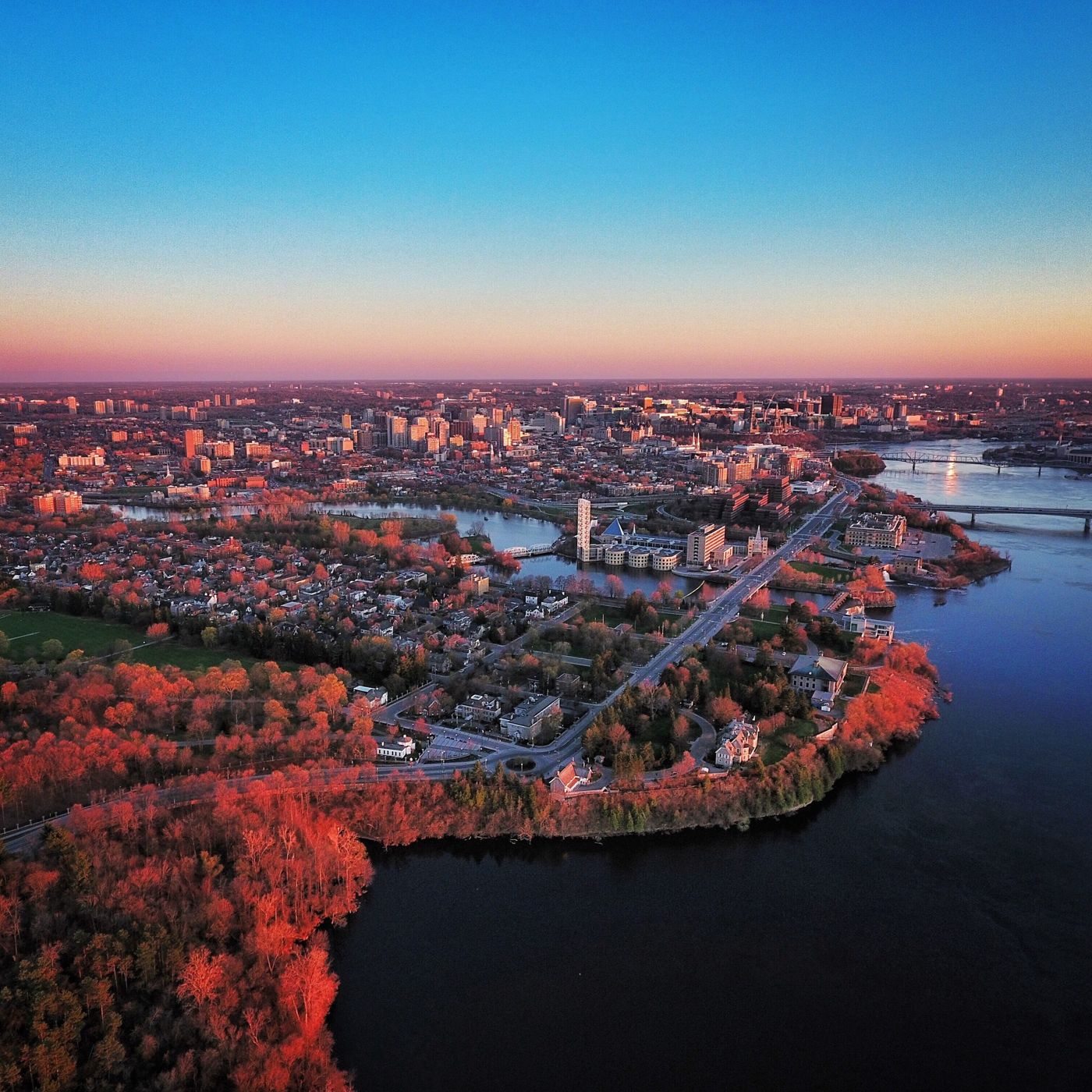
uOttawa is the largest French–English bilingual university in the world. Ottawa sits on the Ottawa River, the border between French-speaking Quebec and English-speaking Ontario, so you will hear both languages every day. The Lundeen Lab works in English, so you do not need to speak French to join.
Founded in 1848, uOttawa has about 50,000 students and ranks among Canada’s top five universities for research intensity. It is in the top 10% of more than 2,000 universities worldwide in the Times Higher Education World University Rankings 2026.
NexQT, the Nexus for Quantum Technologies, is uOttawa’s cross-faculty quantum institute: more than 80 researchers in science, engineering, medicine and law working on quantum sensing, communication, computing, materials and photonics. Jeff is its director.
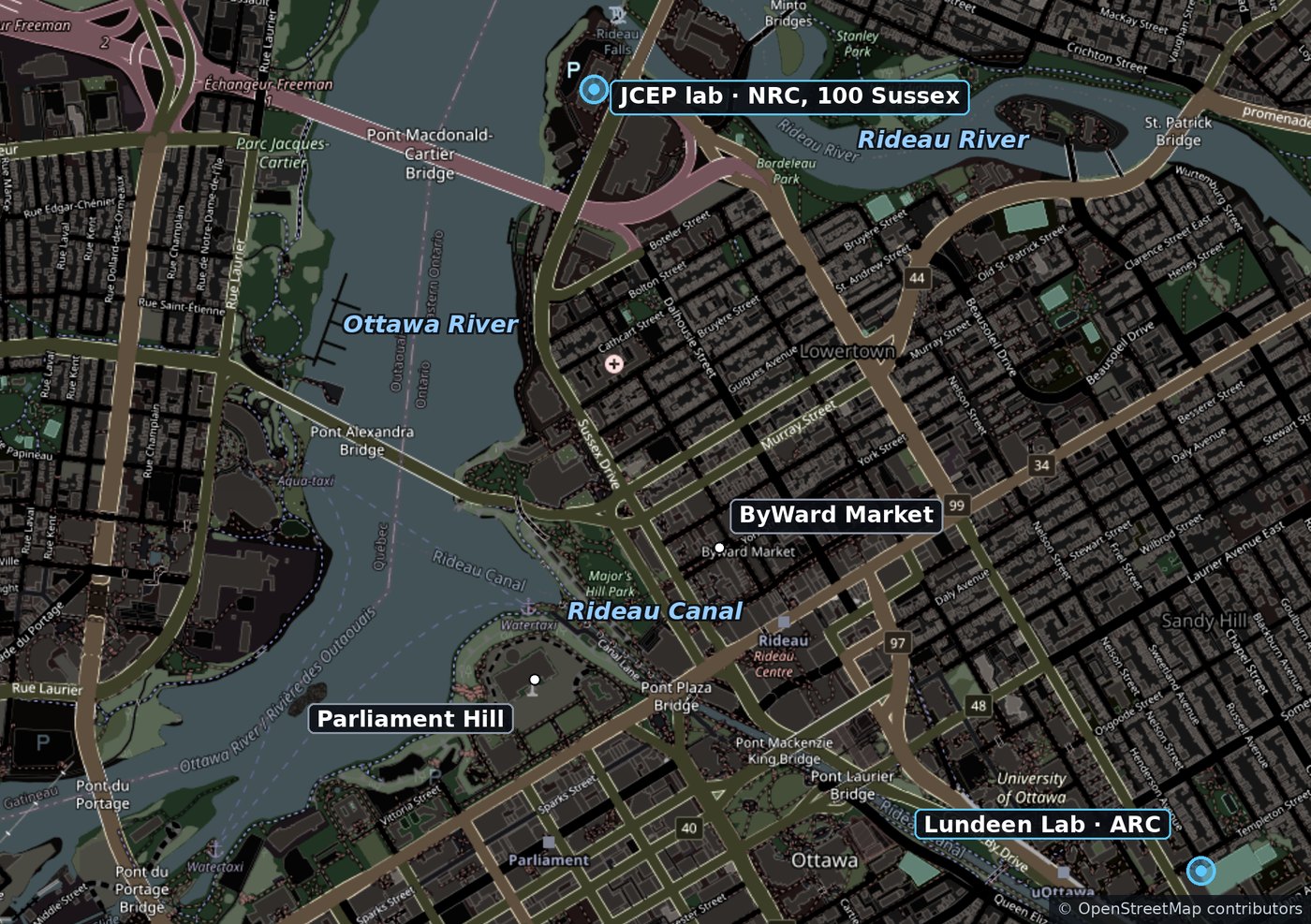
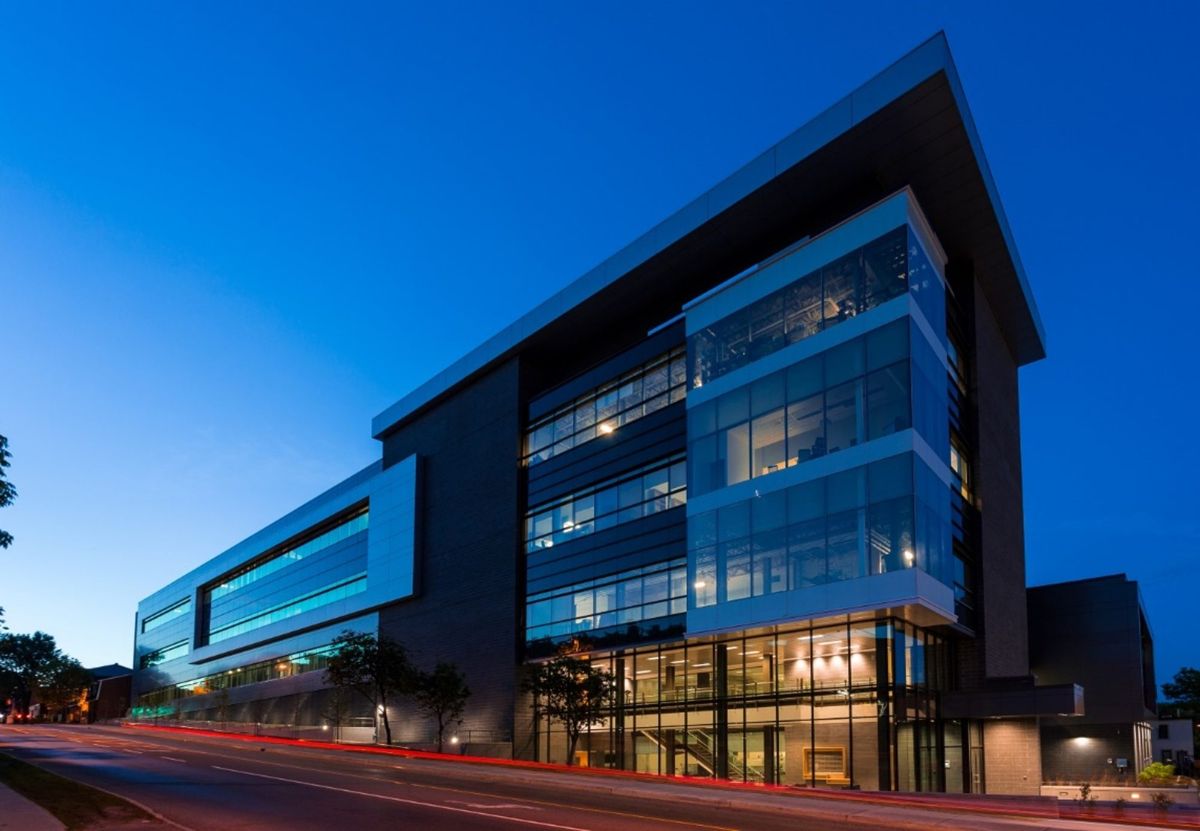
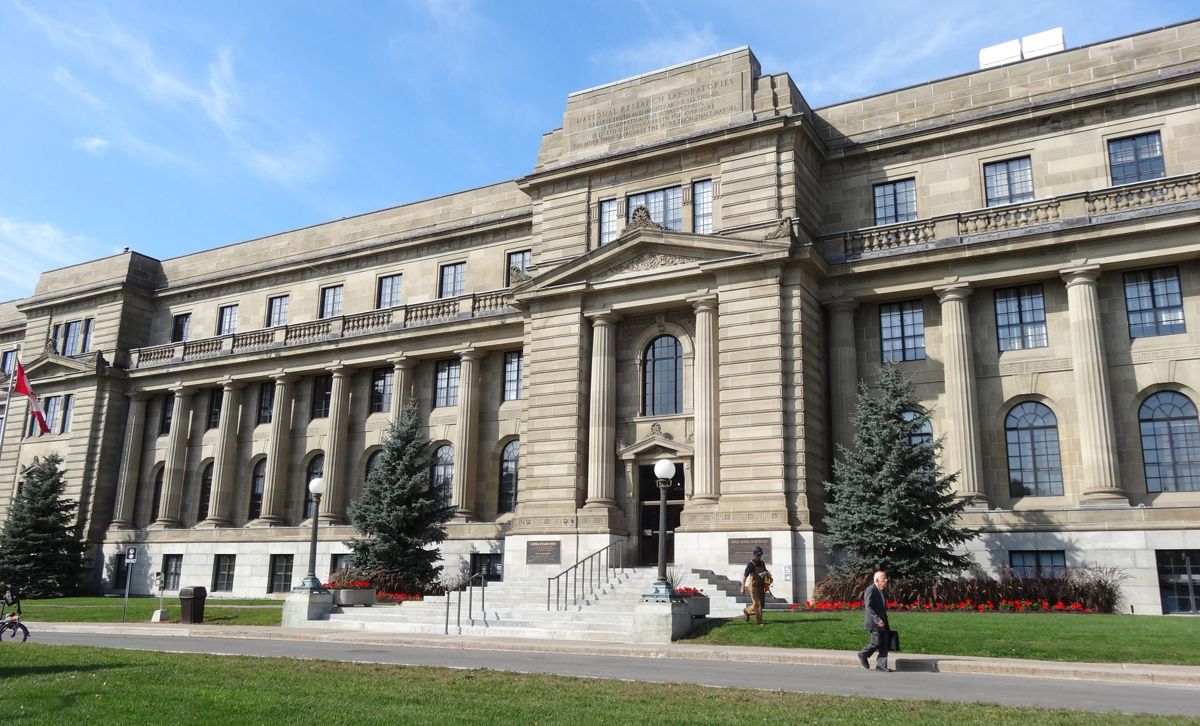
Our main lab is in the Advanced Research Complex, a building designed for photonics, and we have a second lab at the NRC on Sussex Drive.
Where you’ll live
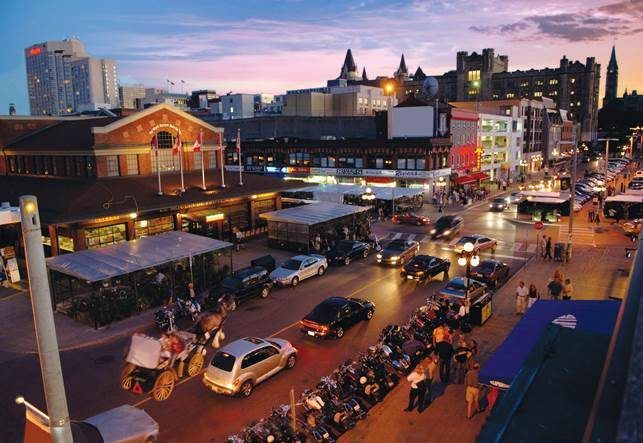
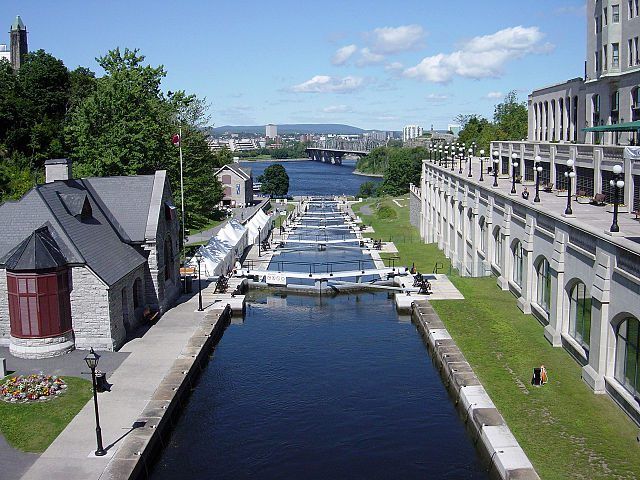
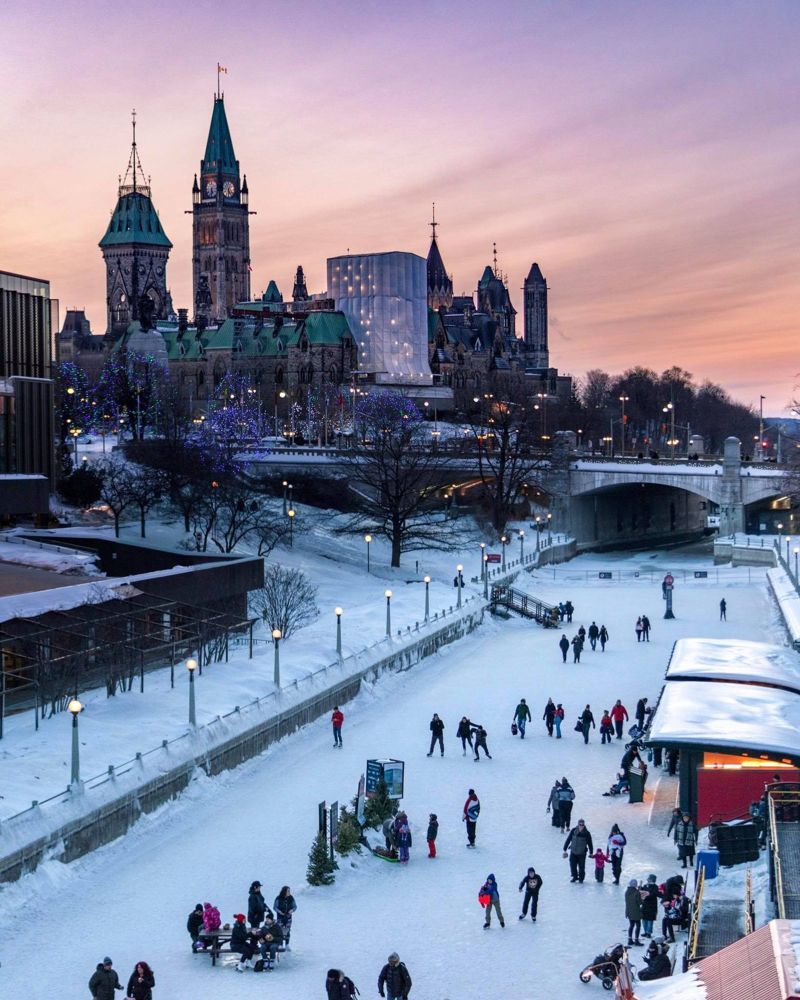
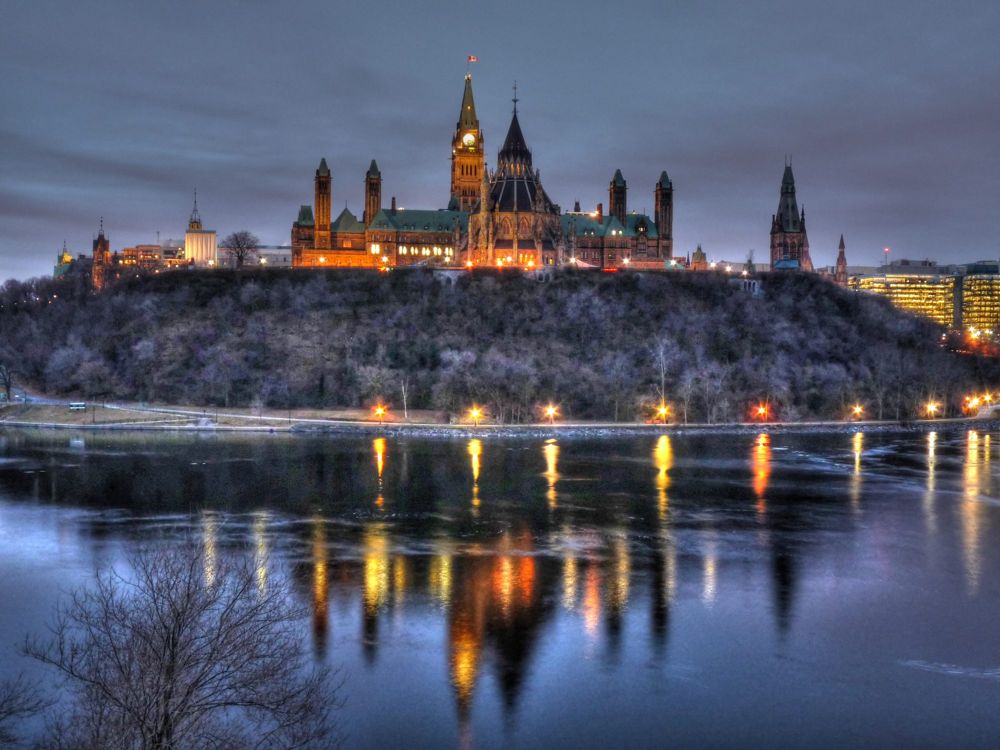
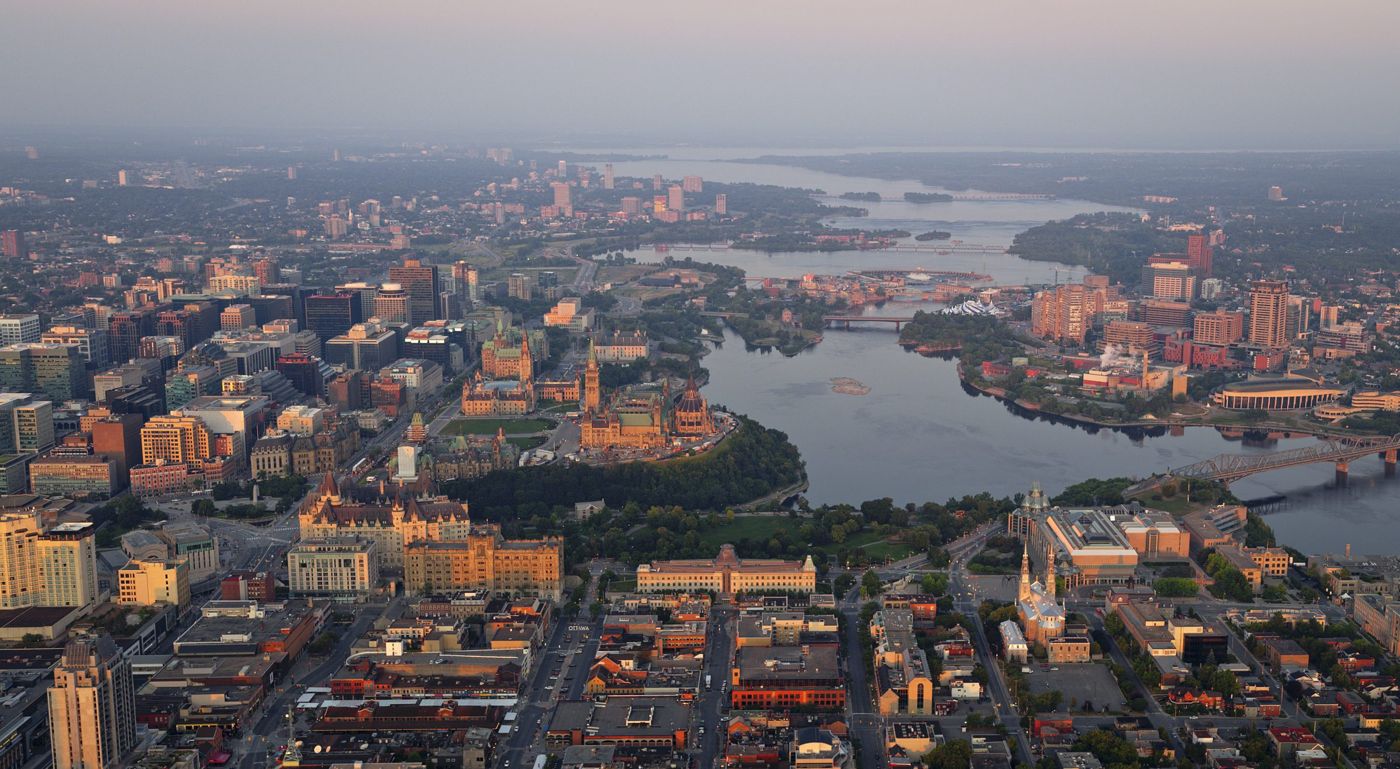
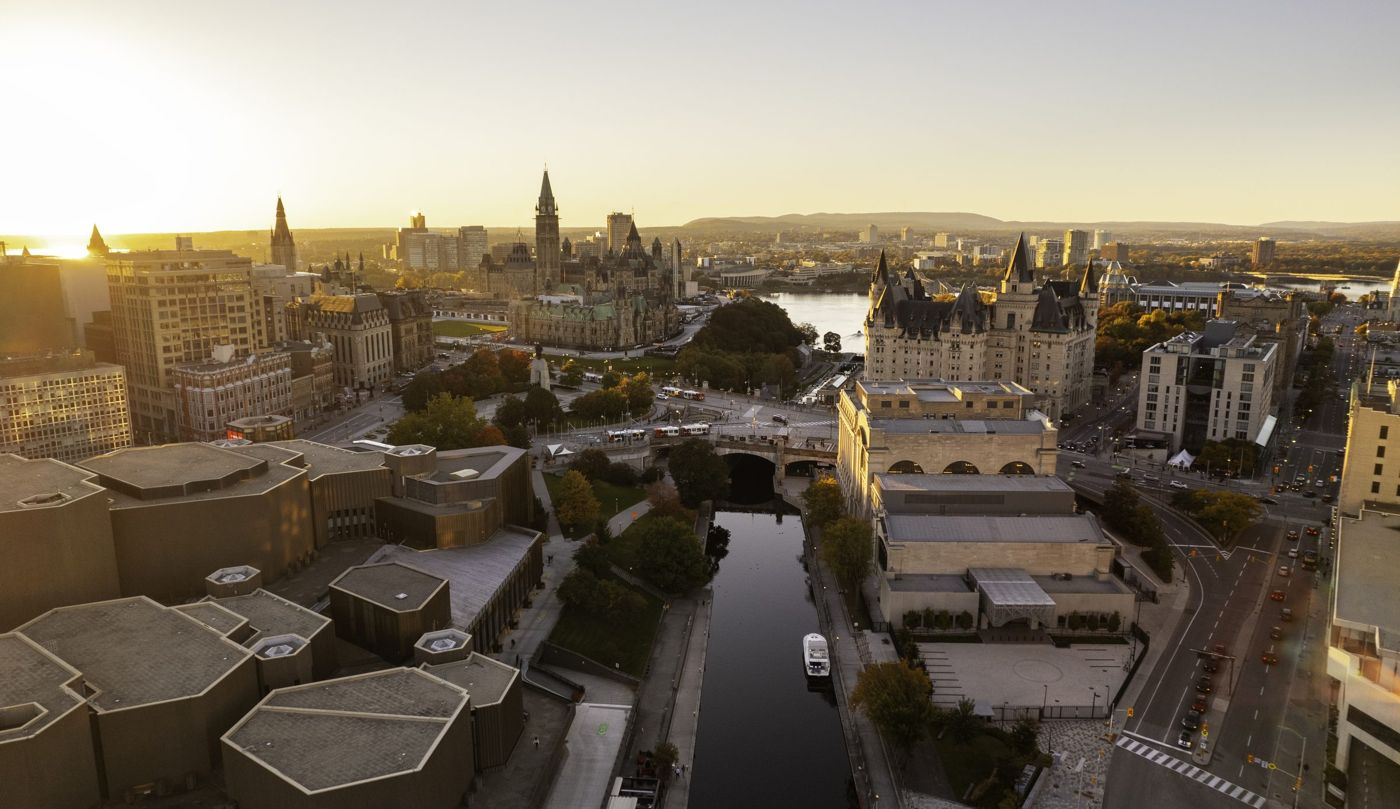
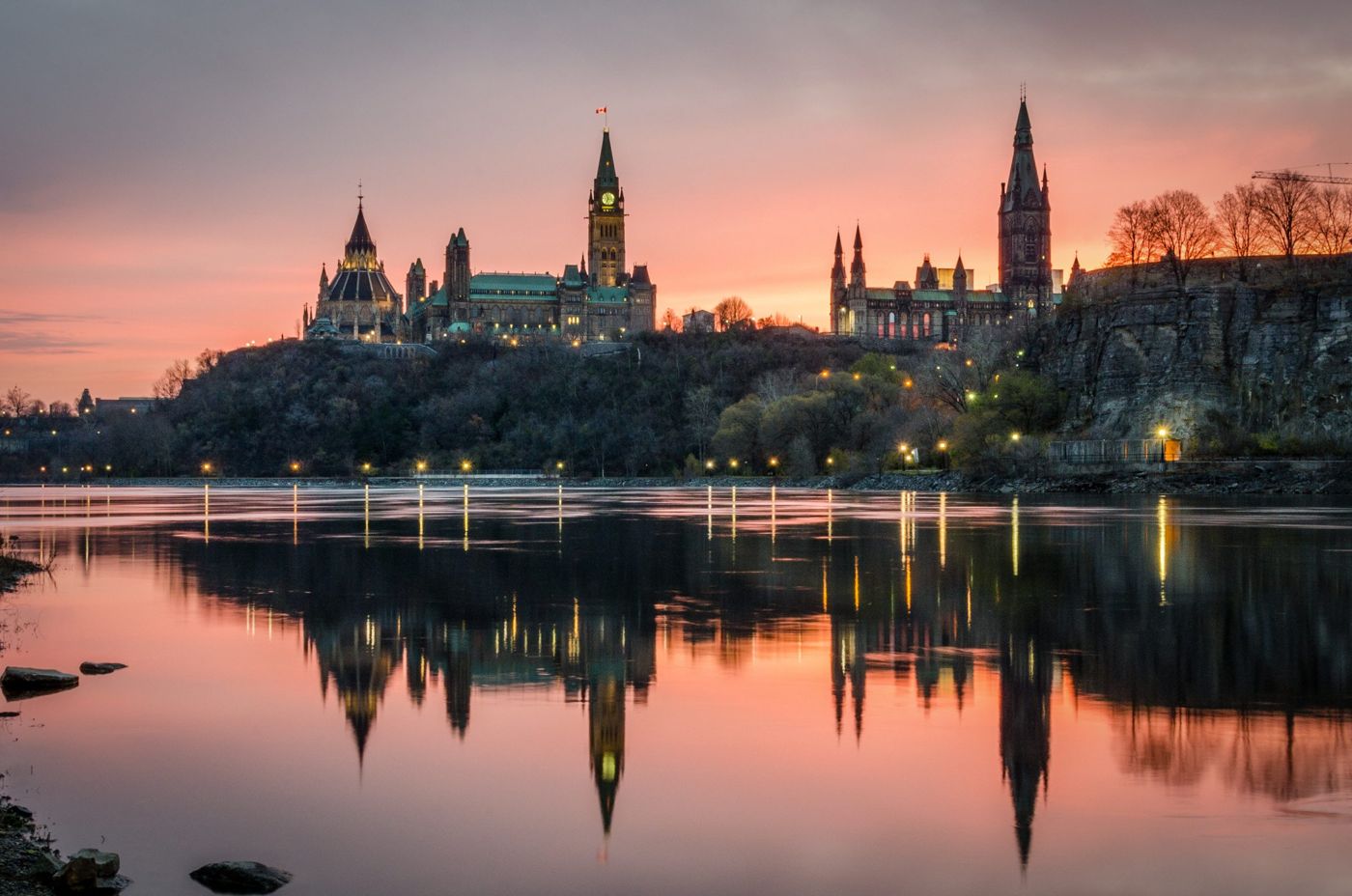
The university is downtown, on the banks of the Rideau Canal, a UNESCO World Heritage Site lined with walking and cycling paths. Parliament Hill is about 15 minutes away on foot and the ByWard Market about 10, and most group members walk or cycle to the lab.
You can choose how to live. Some live in houses in Sandy Hill, the quiet residential neighbourhood right beside campus. Others embrace the city, in apartments and high-rises downtown among restaurants, shops and bars.
Ottawa is safe and easy to get around without a car: the O-Train stops on campus at uOttawa station, and the city’s pathways connect most neighbourhoods by bike.
Why Ottawa
Ottawa is Canada’s capital and its tech capital, often called Silicon Valley North. Tech workers make up 12% of the workforce, the highest concentration among the top 50 North American cities, and the region has more than 1,800 knowledge-based companies, from Shopify and Kinaxis to Ciena, Nokia, Ericsson and quantum start-ups. The city has deep roots in optical communication: fibre Bragg gratings and coherent optical networking were pioneered here.
It is a city of researchers. Ottawa hosts 65 federal research labs, including the NRC, and about 90% of Canada’s industrial telecommunications R&D. It has more engineers, scientists and PhDs per capita than any other Canadian city, 65% of residents have completed or are enrolled in post-secondary education, and it ranks fourth in the world for educational attainment (World’s Best Cities 2026). More than 135,000 students attend its universities and colleges.
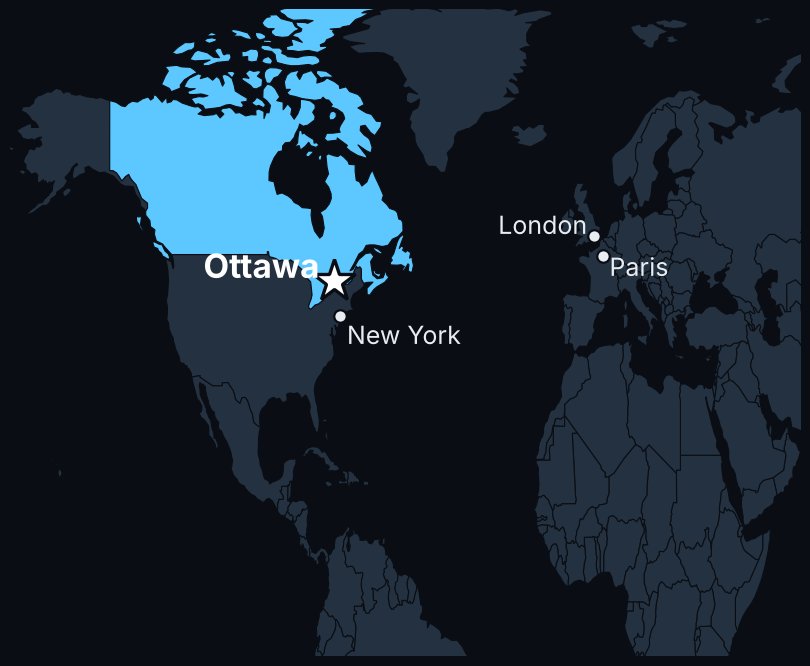
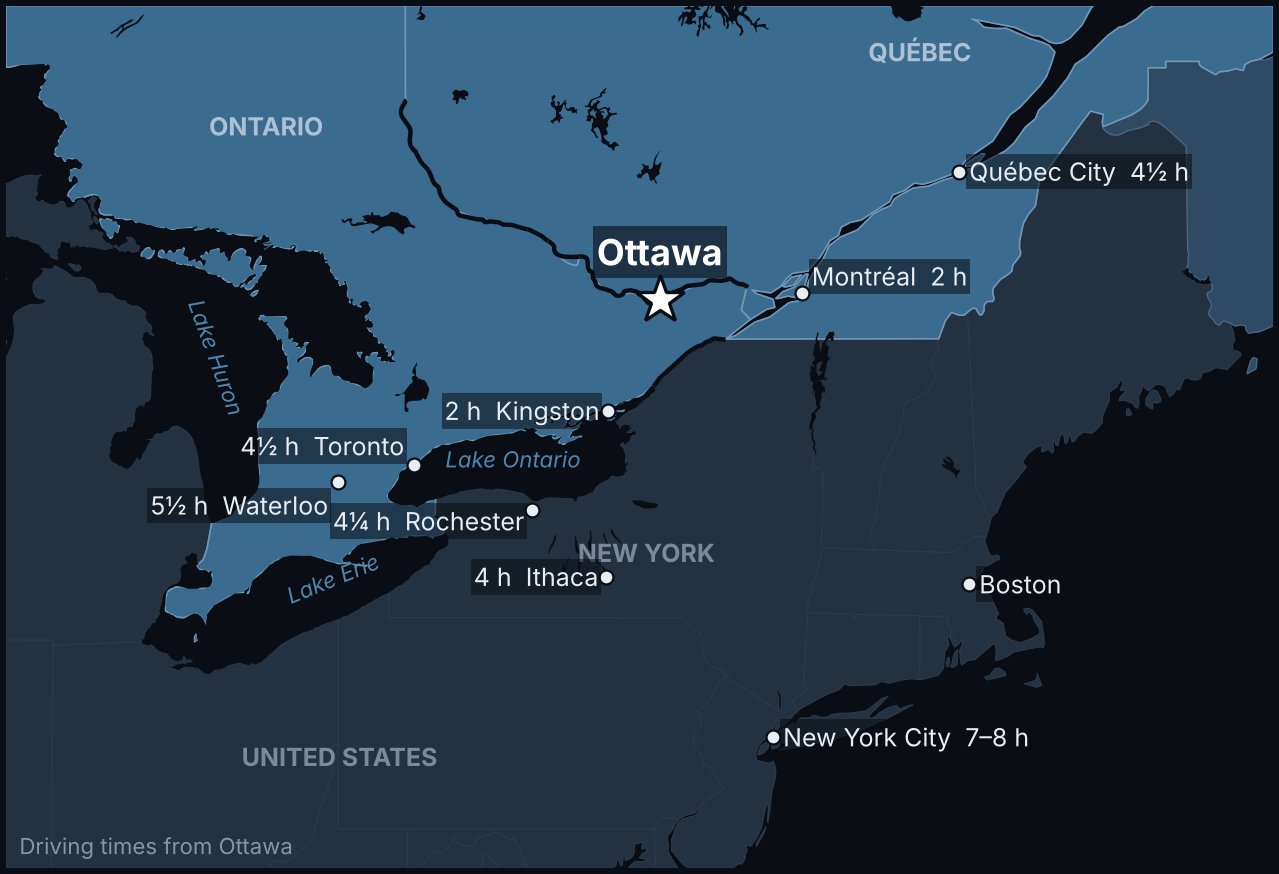
It is also an easy place to live and to travel from. The Globe and Mail named it Canada’s most liveable major city in 2025, and it ranks first in Canada and seventh in the world for work-life balance. Ottawa International Airport, linked to downtown by the O-Train, has direct flights to Paris, London, New York, Washington and dozens of other cities; VIA Rail reaches Montréal in about two hours and Toronto in four and a half.
Life in Ottawa
A capital-sized city
Ottawa is Canada’s fourth-largest city, with about 1 million people (1.5 million in the metro area). It is officially bilingual, and roughly one resident in four was born outside Canada.
Winter, done properly
Each February, Winterlude fills the city with ice sculptures and outdoor events, and the 7.8 km Rideau Canal Skateway, the world’s largest naturally frozen rink, runs past campus.
Festivals all year
The Canadian Tulip Festival in May, Canada Day on Parliament Hill, RBC Bluesfest in July (about 300,000 attendees in 2019), and jazz, chamber music and fringe festivals through the summer.
Outdoors on the doorstep
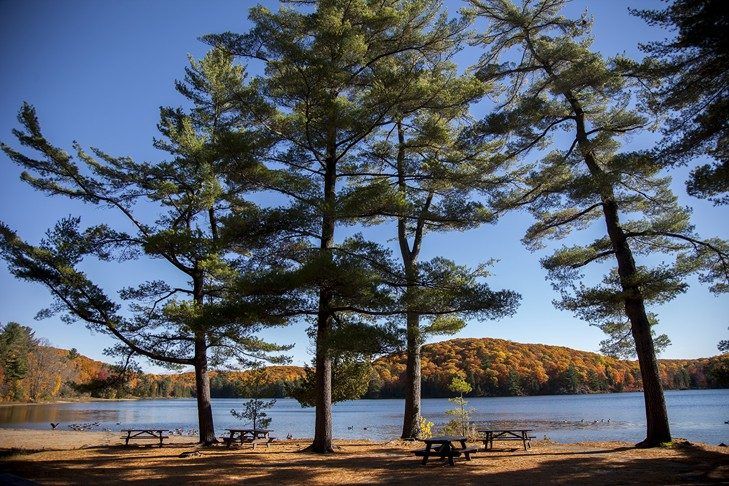
Gatineau Park’s 361 km² of lakes, beaches, hiking and ski trails starts across the river. The Capital Pathway’s 200+ km of trails follow the rivers and canal, part of more than 800 km of cycling routes in the region.
Museums and culture
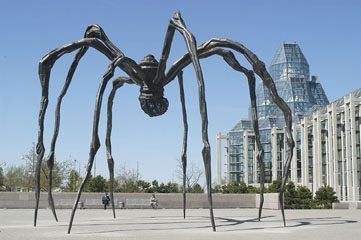
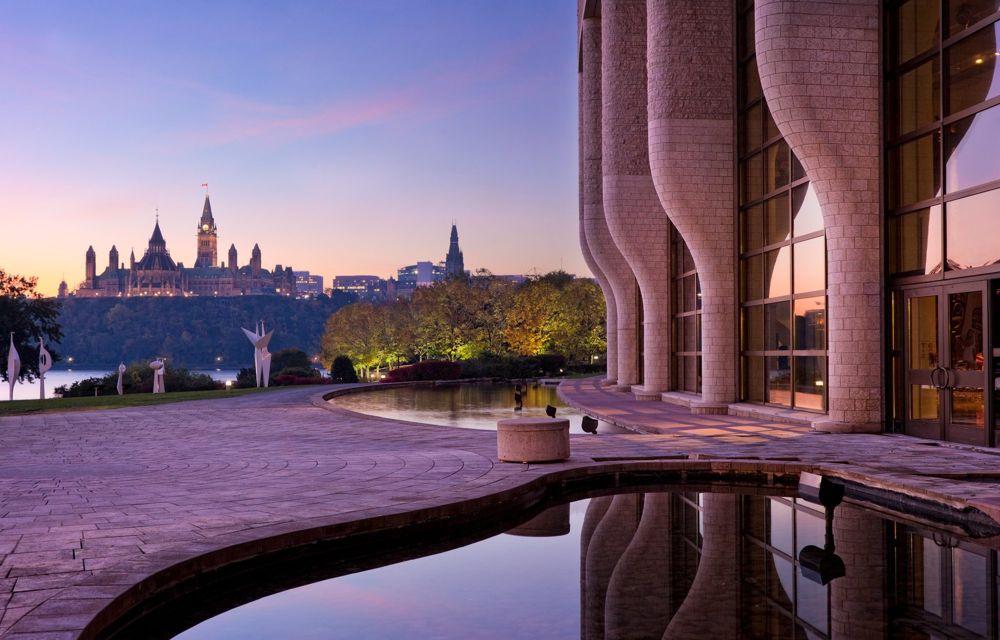
National museums of art, history, nature, science and war, the National Arts Centre, and smaller galleries, theatres and live-music venues downtown.
Neighbourhoods and food
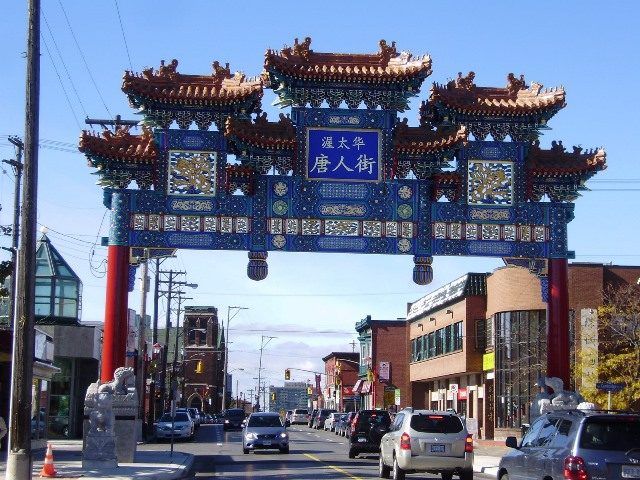
The ByWard Market, Chinatown, Little Italy, the Glebe and Westboro each have their own character, with restaurants and cafés from around the world, most within a bike ride of campus.