
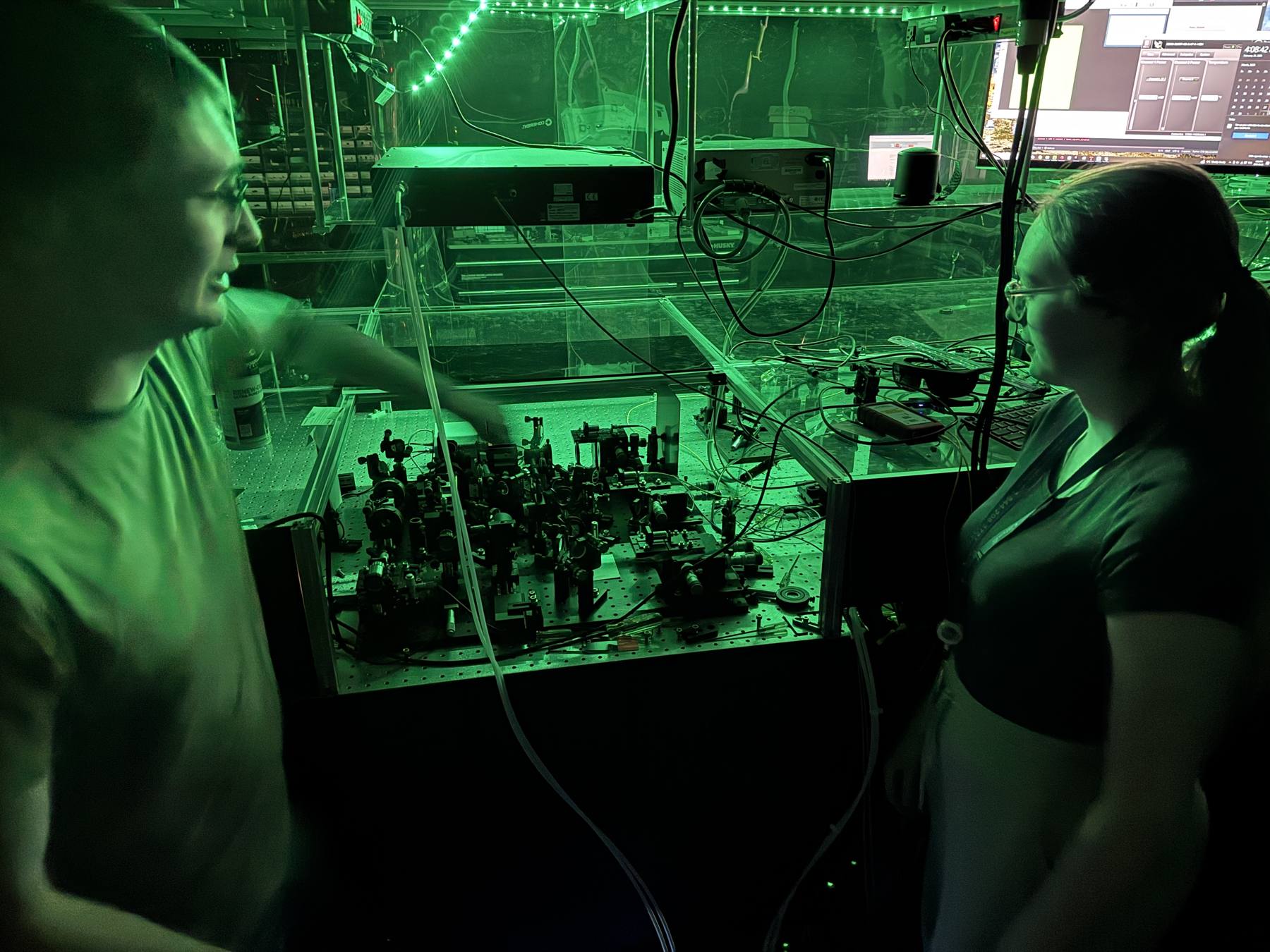
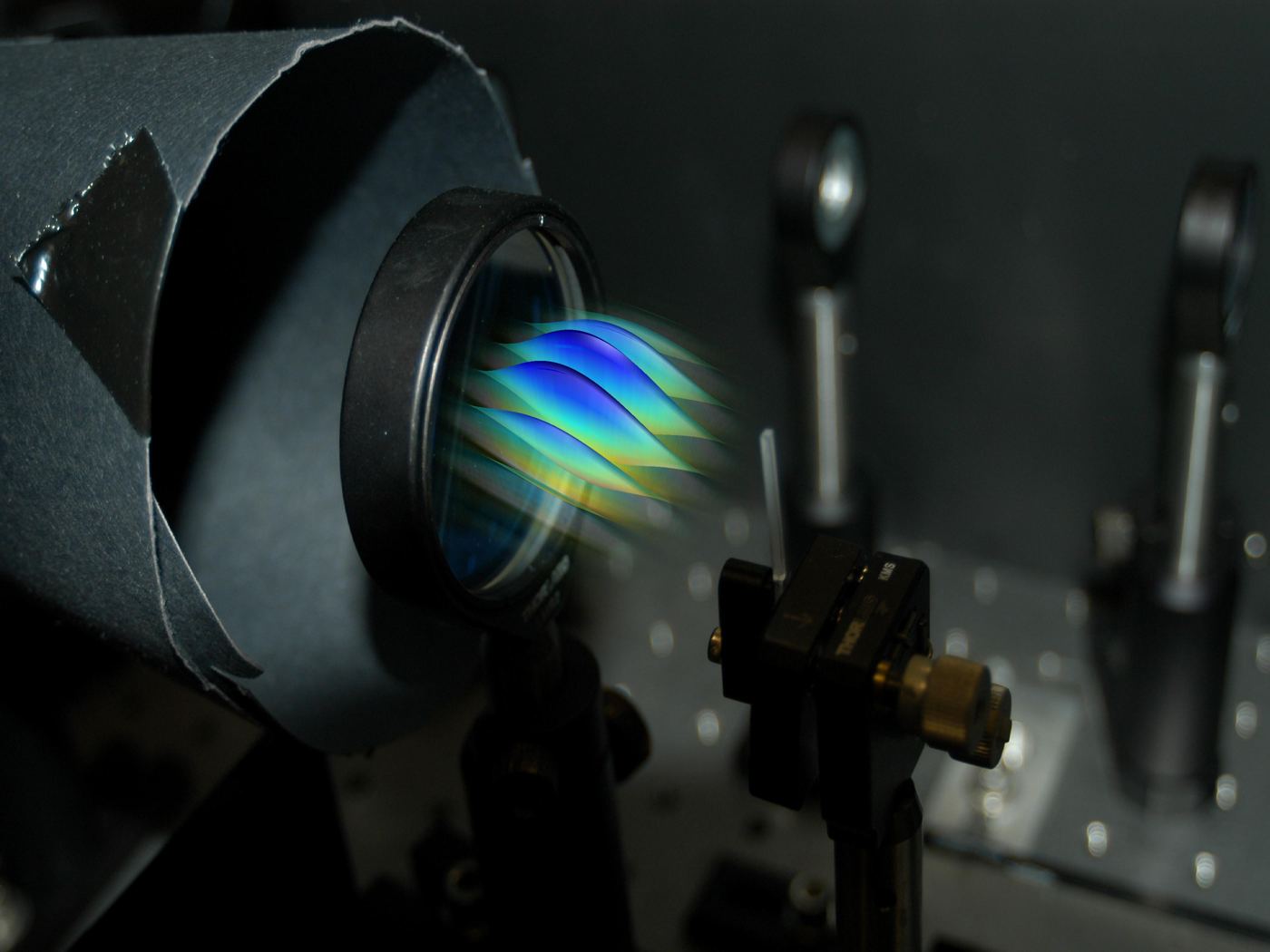
Fundamental issues in quantum physics
Quantum mechanics is our most successful theory, yet its central objects (the wavefunction, measurement, entanglement) still lack agreed meanings. We look for operational answers: experiments that say what these quantities are by measuring them directly.
In 2011 we showed that the wavefunction can be measured directly using weak measurement, and later extended the method to the density matrix and to Dirac’s classical phase-space analog of the quantum state. We continue to study weak, joint and sequential measurements and the Kirkwood–Dirac distribution, and to turn them into practical tools for tomography and precision measurement.
- Chained weak measurements
- Nonlocal measurements for quantum tomography
- Weak-value amplification for interferometry
Quantum information and metrology
Single photons and entangled photon pairs let us measure, compute and communicate in ways classical light cannot. We build sources of quantum light, from pure heralded single photons to high-gain parametric downconversion and frequency–time entangled pairs, and characterize the detectors that count them.
We use these resources for quantum-enhanced spectroscopy and timing, for quantum key distribution with ultrafast time resolution, and for imaging at the quantum limit. With laser-written and integrated waveguides we work toward compact quantum processors.
- Frequency–time entangled photons for spectroscopy
- Ultrafast timing for telecom quantum key distribution
- Photon statistics of high-gain downconversion
- Machine learning for optimizing quantum optics
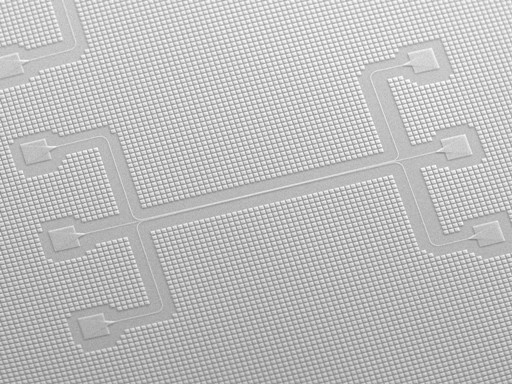
Spatial manipulation of light
We shape how light propagates. Our spaceplate is an optic that replaces a length of free space, so a camera’s lens can sit much closer to its sensor: a route to ultra-thin imaging systems.
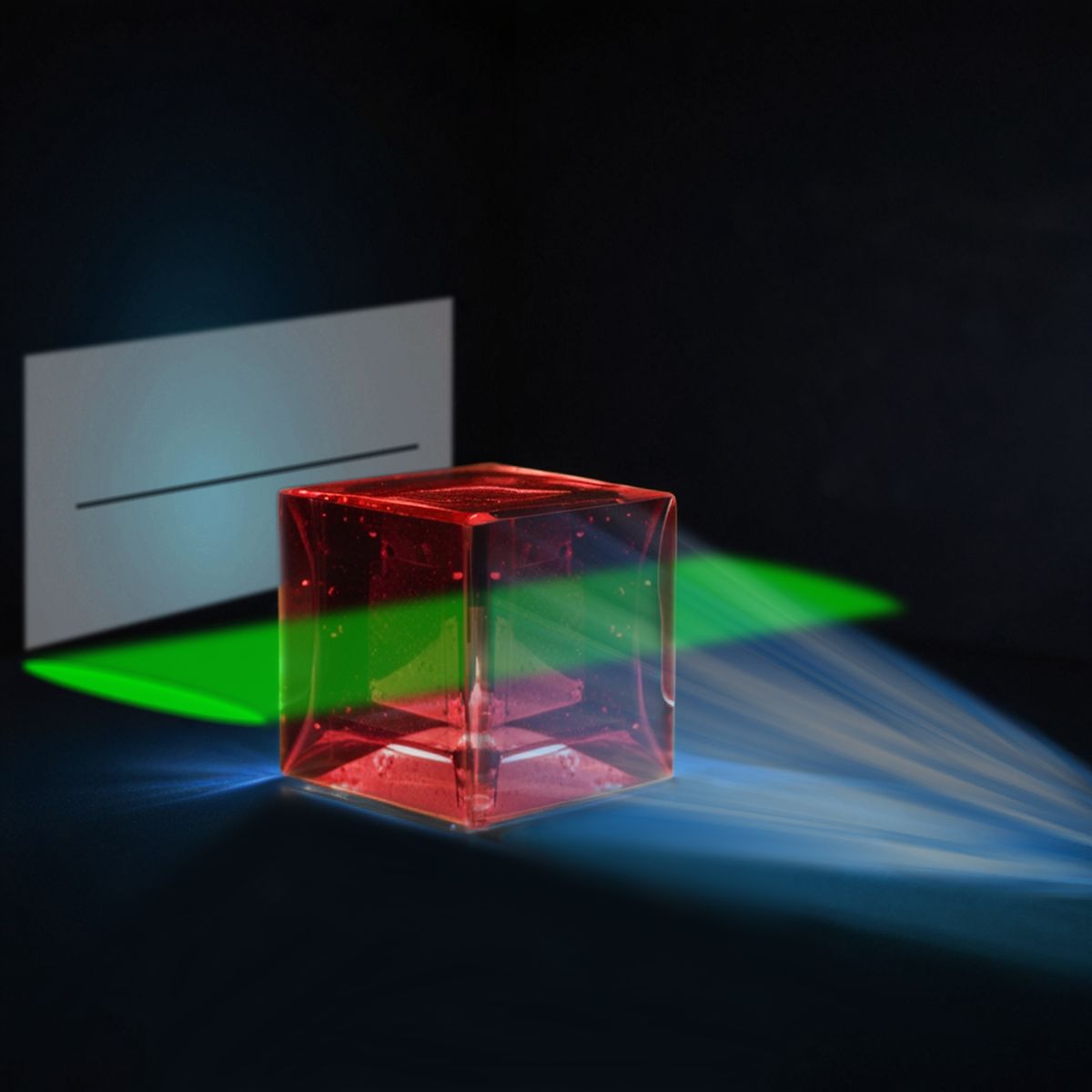
With volume holograms, multiplane light converters and spatial light modulators we perform arbitrary transformations of the spatial and polarization structure of light, for quantum information, imaging and sensing. Along the way we have found surprises, such as a laser beam that casts a shadow.
- Monolithic imaging with spaceplates
- Multiplexed volume holograms
- Reconfigurable unitary transformations of beam arrays
Facilities and institutes
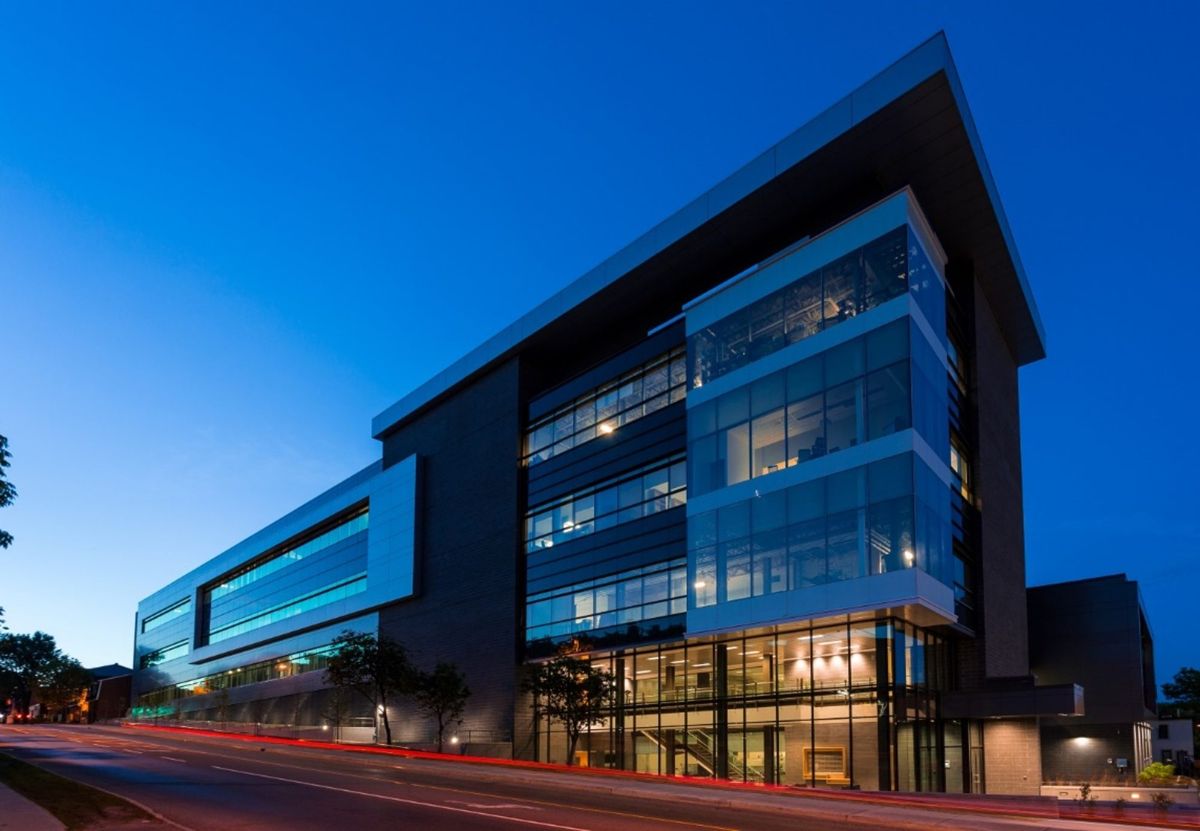
Advanced Research Complex
Our labs and offices are in uOttawa’s Advanced Research Complex, a dedicated photonics building.
Directions and contact →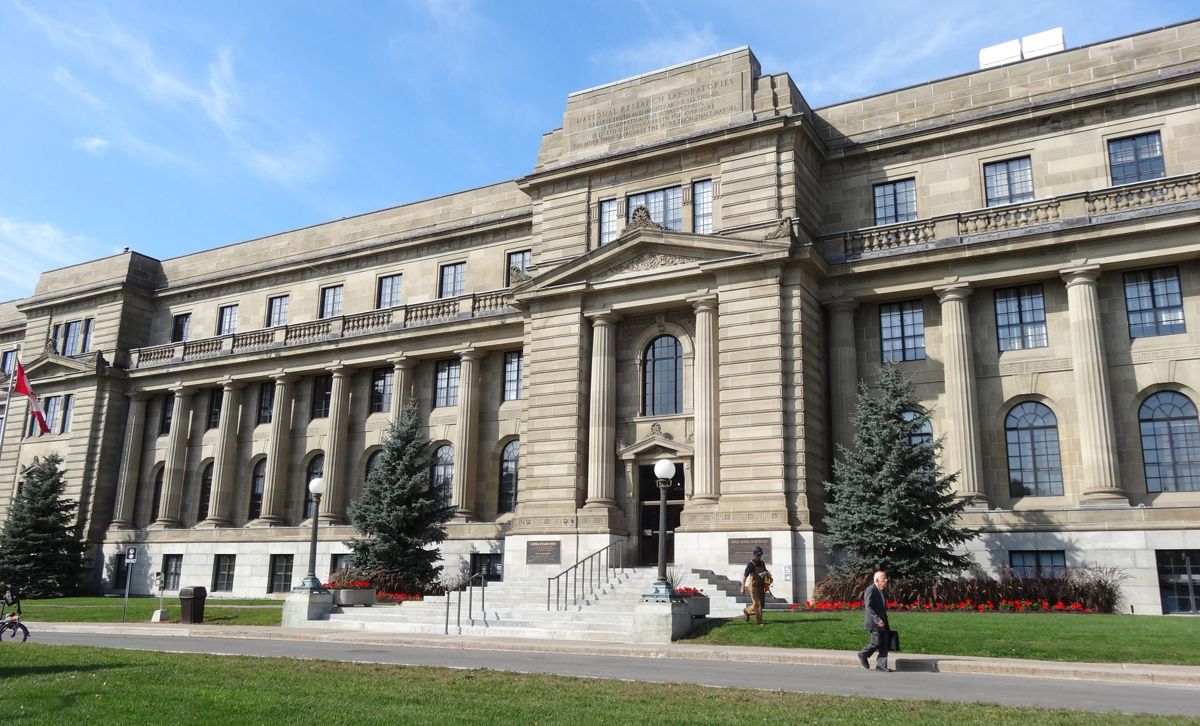
NRC–uOttawa Joint Centre for Extreme Photonics
A collaboration centre with the National Research Council Canada, where Jeff is a Fellow. It is home to the group’s second lab, at 100 Sussex Drive, which specializes in quantum metrology and quantum information.
Directions and contact →
Max Planck – uOttawa Centre
We are part of the Max Planck – uOttawa Centre for Extreme and Quantum Photonics, which links uOttawa with the Max Planck Institutes for the Science of Light (Erlangen) and Quantum Optics (Garching). We hold joint workshops, collaborate on research and co-supervise students.
Centre website →
NexQT
The Nexus for Quantum Technologies (NexQT), uOttawa’s cross-faculty quantum institute, which Jeff directs: more than 80 researchers in science, engineering, medicine and law.
NexQT website →